Dropli

Looking for blood shouldn't make you a target

A family searching for blood at midnight will believe almost anyone who says yes. That's why the safety rules on Dropli are built into the app instead of written in a policy nobody reads.

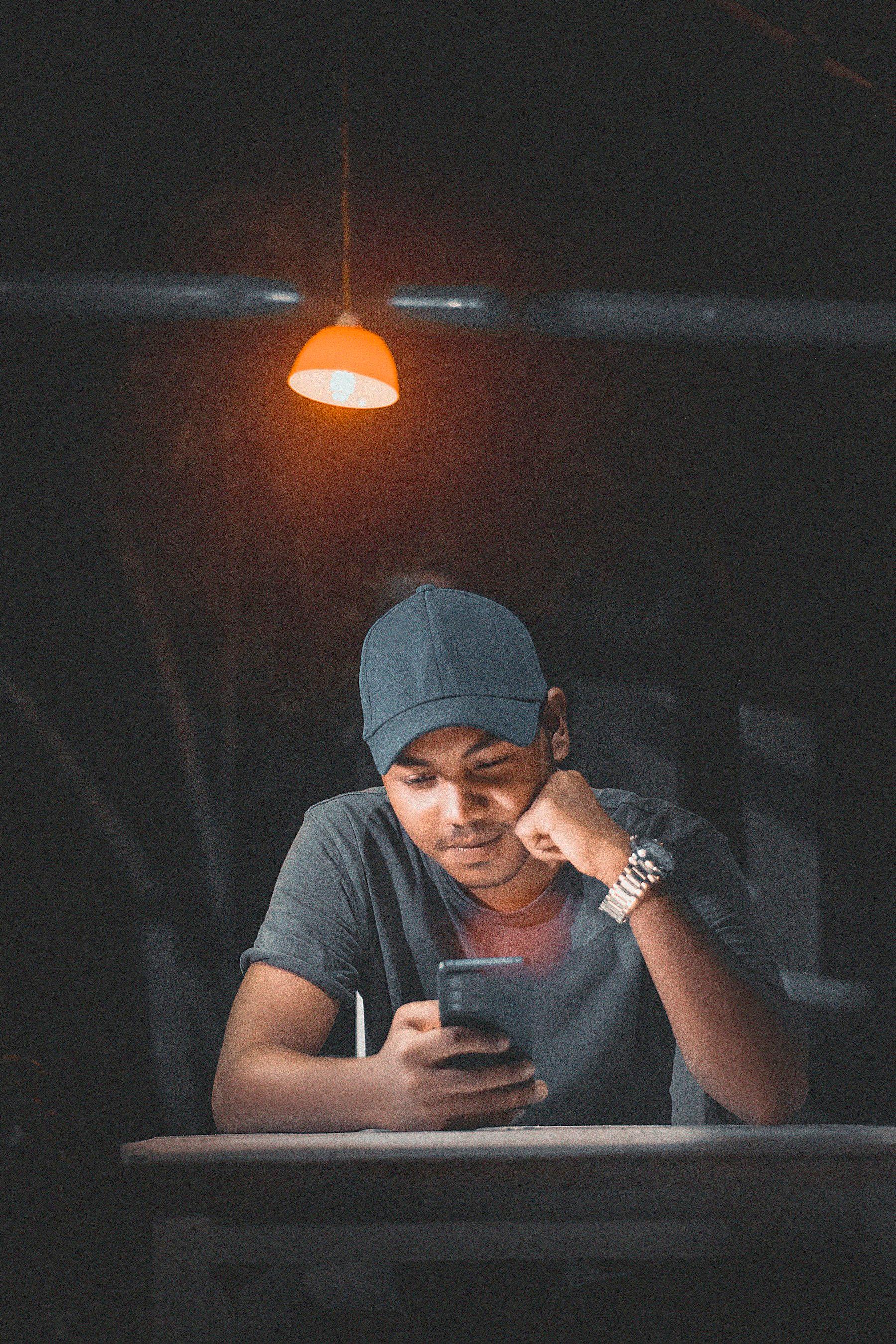
A young man in a cap looks at his phone under a single lamp at night
Checking his phone at night, Bangladesh. Photo: Tarikul Raana / Unsplash

Scam shield

The most common scam follows a script, and we know it

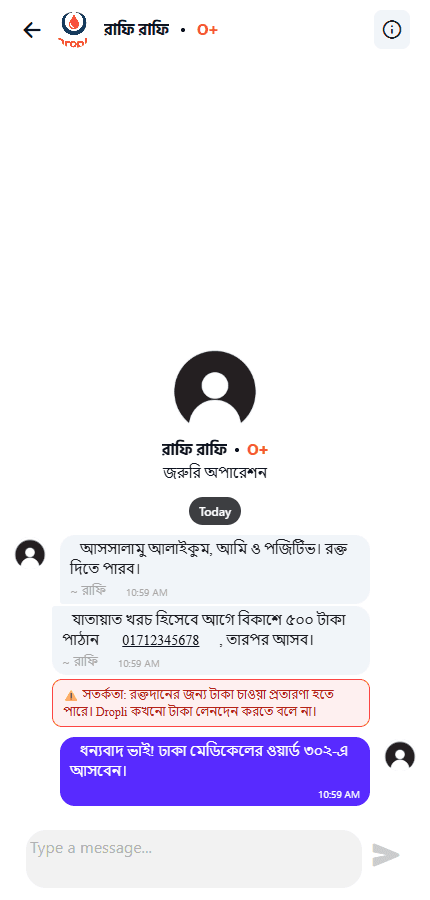
Someone says they can donate, then asks for bKash or Nagad money for transport, a test, or "the hospital fee" before they come. They never come. When a chat message asks for money or includes a mobile banking number, Dropli puts a warning under it, on both phones.

“সতর্কতা: রক্তদানের জন্য টাকা চাওয়া প্রতারণা হতে পারে। Dropli কখনো টাকা লেনদেন করতে বলে না।”

The warning, as it appears in the app.

A conversation, replayed

Illustrative names and numbers.

Assalamu alaikum, I'm O+. I can give blood.
Send ৳500 by bKash first for transport, 01712345678, then I'll come.
Careful. Asking for money for blood can be a scam. Dropli never asks anyone to pay a donor.
Thanks, I'll wait for another donor.
Money on Dropli

Where money can go, and where it can't

There are exactly two places in Dropli where anyone pays anything. Neither of them reaches a donor.

  • Donors are never paid

    Not by Dropli, not by the family, not "for transport". Blood is given, never sold.

  • Boost fees pay the phone bill

    ৳200 or ৳500 to reach donors 30 or 60 km away. It covers SMS and voice calls, nothing else.

  • Support is optional and goes to Dropli

    After a donation a family can chip in to keep Dropli running. It's paid through SSLCommerz, inside the app, never to a person in chat.

  • Dropli never asks for money in chat

    If a message that claims to be from Dropli asks you to send money, it isn't from us. Report it.

Verified donations

A donation counts when the family says it happened

Anyone can claim they gave blood. On Dropli a donation is only marked verified after the patient's family types in a code from the donor's phone. That's what makes passports and certificates mean something.

  1. 01

    The donor gives blood

    At the hospital, the normal way. Dropli isn't involved in the medical part.

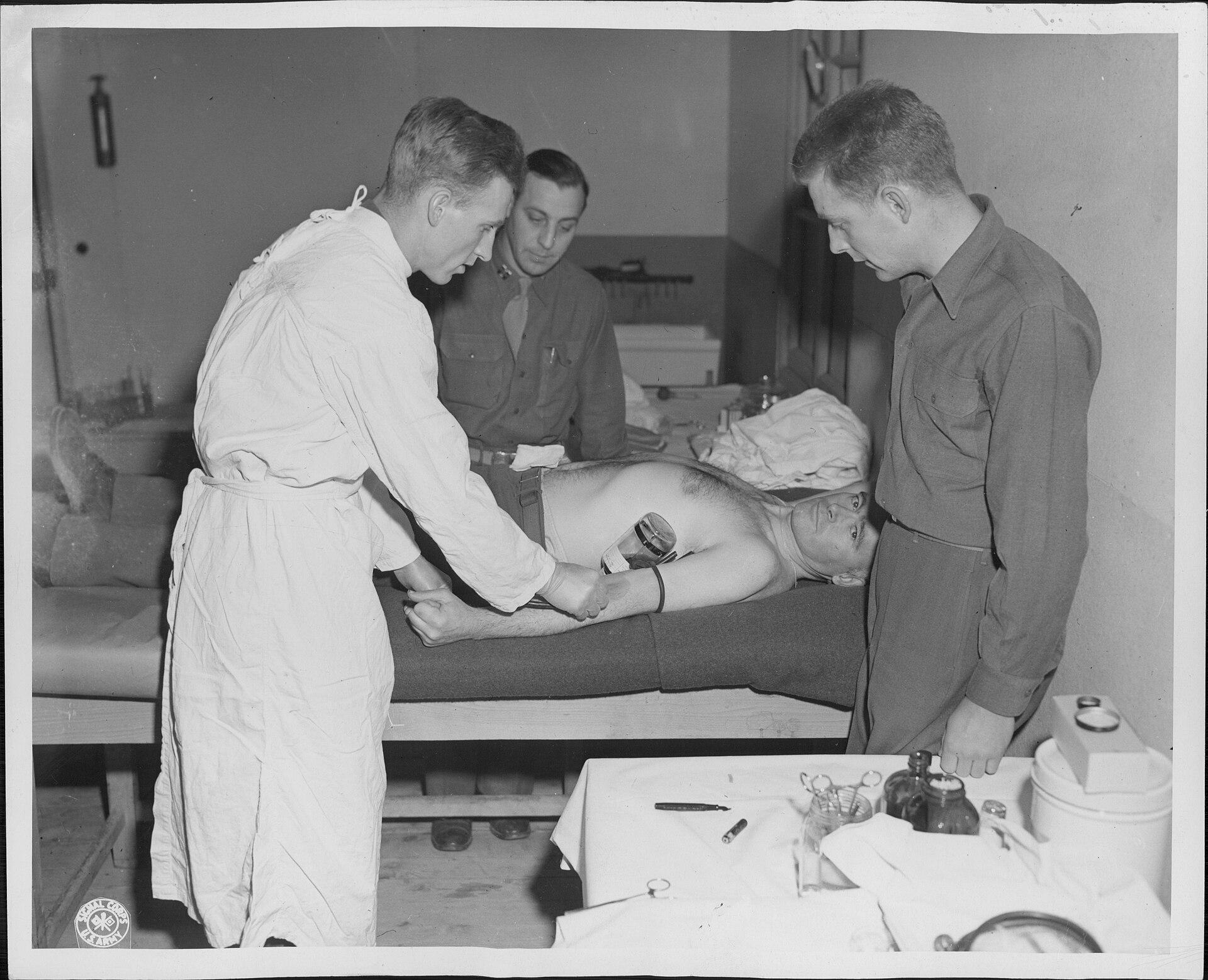
    A soldier lying on a cot giving blood while medics watch
    The 500th volunteer donor, 36th General Hospital, US Army Signal Corps, 1945
  2. 02

    Then shows the code

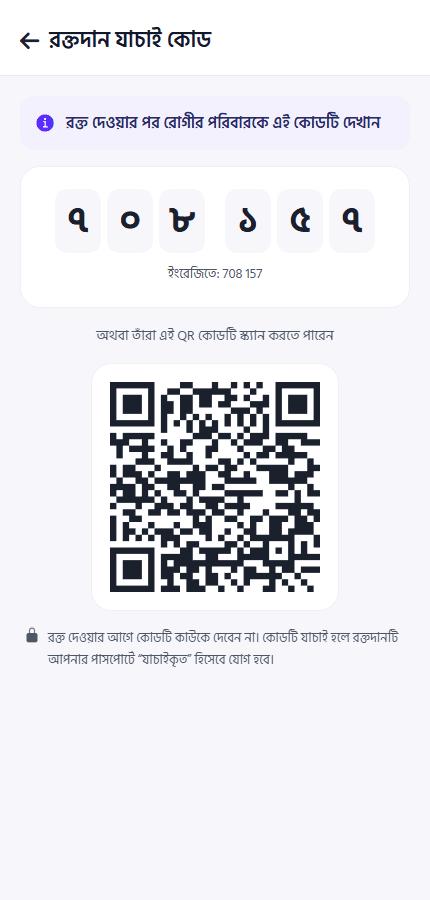
    Six digits and a QR on their phone. They're told not to share it before donating.

    Donation code and QR on the donor's phone
  3. 03

    The family enters it

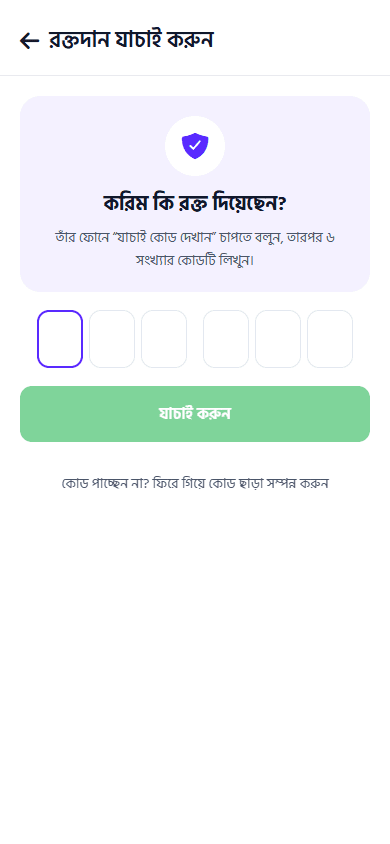
    "Did Karim give blood?" They type the six digits, or scan the QR.

    Family's screen for entering the donor's code
  4. 04

    A certificate anyone can check

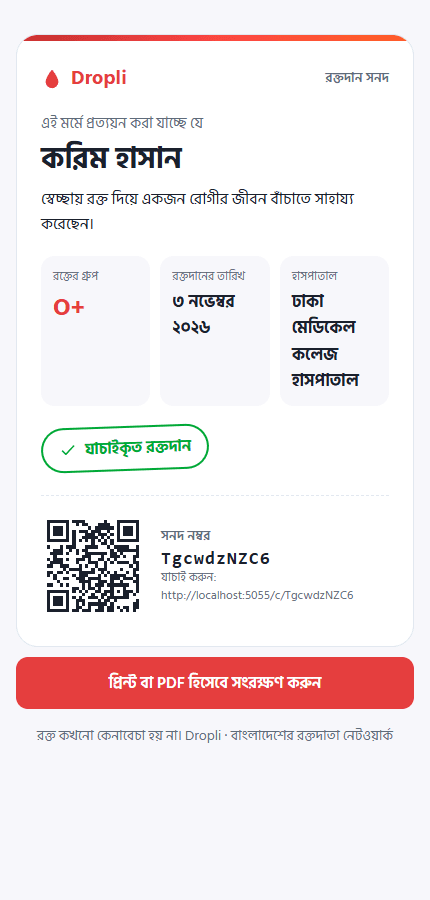
    Each verified donation gets a certificate number and a QR link that confirms it.

    Donation certificate with a verification QR

Six digits, then the stamp

What it looks like on the family's phone.

708157
Verified donation

Why the order matters

If a donor shared the code before donating, a family could mark the donation done and close the request while still short of blood. So the app tells donors to show it after, and families to ask for it after.

No code at all? The family can still close the request. The donation just won't be marked verified.

Privacy

Who sees what

Your location is used to work out distances. It isn't shown to other people. Here's what each side of a request can and can't see.

What the family, a donor and a hospital console can see on Dropli
InformationThe family who askedA donorA hospital console
Where a donor livesNo.Only a distance, like "3.9 km away".Their own, to work out distances.No.Only counts per small map area.
A donor's nameYes,once that donor says they can give.Their own.Noon the supply map or in impact reports.
The requestTheir own.Yes.Group, bags, hospital, date and urgency, so they can decide.Yes,for requests the institution posted.
The family's phone numberTheir own.After a check.On a shared link, only after the donor confirms with an emailed code.No.
Donation recordsWhether the donor's code was entered.Yes,on their passport and certificates.Totals only.Impact reports carry no donor's personal details.

The hospital supply map

Hospitals see numbers, not people

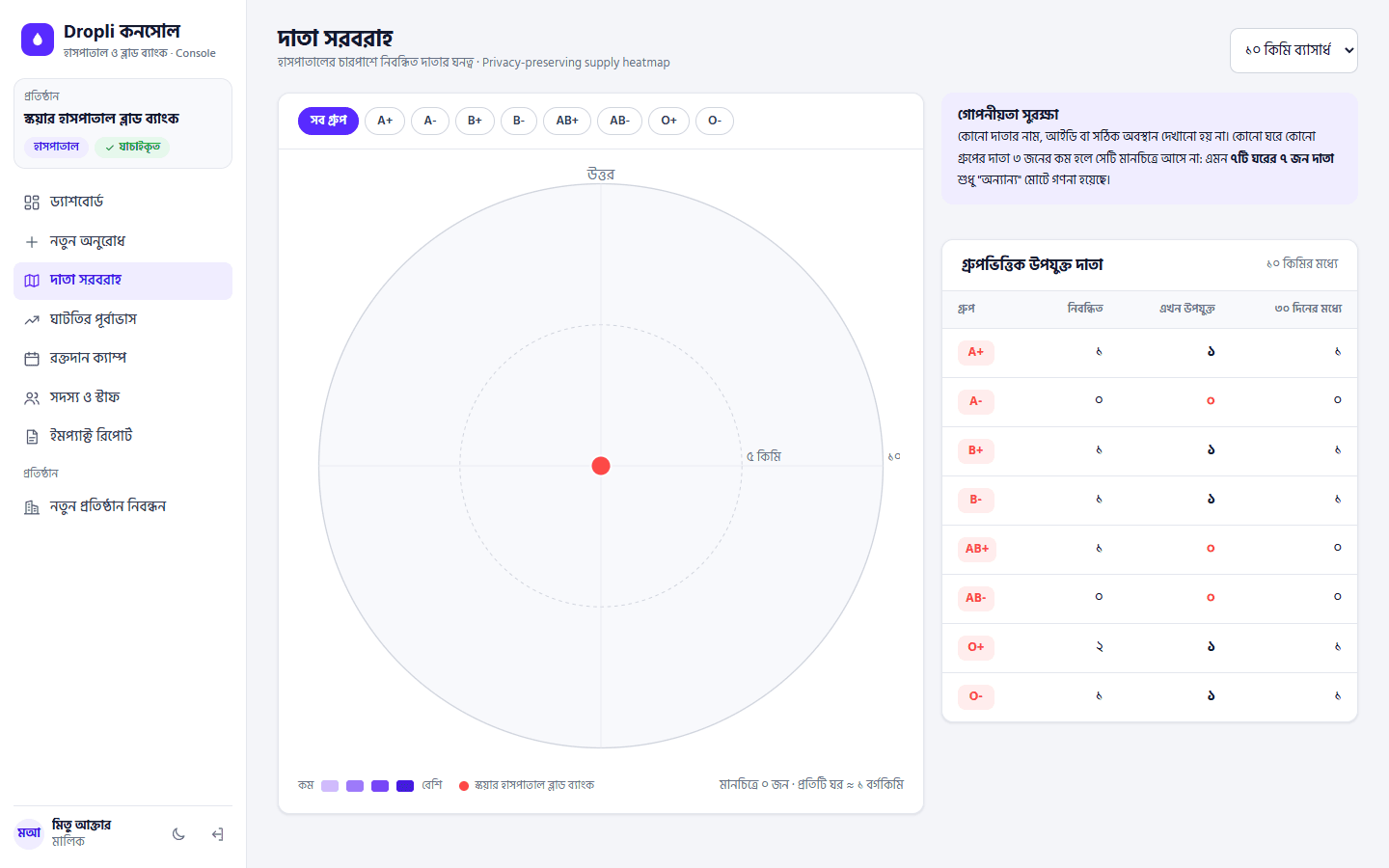
Blood banks want to know how many donors of each group live nearby. They don't need to know who or where. The supply map answers the first question and refuses the second.

  • Donors are counted in small cells, each about one square kilometre.
  • If a cell has fewer than three donors of a group, that cell isn't drawn. Those donors only show up in an "other" total.
  • No names, no donor IDs, no exact locations, anywhere on the map.
Donor supply heatmap around a hospital with a privacy notice

Habits that help

A few rules worth keeping, whichever side you're on

For families

  1. 01

    Never pay a donor

    Not for transport, food, a test or anything else. Real donors don't ask.

  2. 02

    Meet at the hospital

    At the blood bank or the ward. Not at a shop, not at a bus stop.

  3. 03

    Keep the chat in Dropli

    That's where the warnings and reports work.

  4. 04

    Ask for the code after

    Enter the donor's six digits once they've actually given.

  5. 05

    Let the doctors do the medical part

    The hospital tests and cross-matches the blood. Dropli only finds the donor.

For donors

  1. 01

    Say yes only if you can go

    A family stops looking once the bags are covered.

  2. 02

    Don't share your code early

    Show it after you've given blood, never before.

  3. 03

    Don't accept money

    Even if it's offered kindly. It's the line that keeps scammers out.

  4. 04

    Answer the hospital's questions honestly

    Medication, illness, travel. The screening is there for the patient and for you.

  5. 05

    Wait out your 90 days

    Dropli won't alert you before then. Don't go around it.

Reporting

Something feels wrong? Report it from the chat

Open the conversation, tap the info button, and choose report. Write what happened in a few lines (at least ten characters, so we know what to look at). It goes to the Dropli team to review.

  • Report anyone who asks for money, sends threats, or pretends to be from Dropli or a hospital.
  • You don't need to argue with them first. Report, then keep looking for another donor.
Chat with a scam warning under a message asking for money

Safety questions

What people ask us

All questions

A donor asked for bKash money for transport. Is that allowed?

No. Nobody on Dropli may ask for money to donate blood, for any reason. Don't send it. Report the person from the chat and wait for another donor.

Can a donor see my home address?

No. Donors see the hospital where blood is needed. Your own location is only used to calculate distances and isn't shown to other users.

Can a hospital see which donors live near it?

It can see how many eligible donors of each group live in small areas around it. It can't see names, IDs or exact locations, and areas with fewer than three donors of a group are hidden.

What does "verified donation" mean?

The patient's family entered the donor's six-digit code (or scanned their QR) after the donation. Only then is it marked verified on the donor's passport and certificate.

Does Dropli test or handle blood?

No. Dropli finds donors. Screening, testing and cross-matching happen at the hospital or blood bank, the same as always.

Get the app

Ask for blood without paying strangers

Requests go to real donors near the hospital, money talk gets flagged, and every donation can be checked. Install Dropli before you need it.