We built Dropli for the worst phone call of someone's year
The doctor says “arrange two bags of B+ by tomorrow morning.” What happens in the next few hours decides a lot. Dropli is our attempt to make those hours shorter and safer, for the family and for the donor.
What we kept seeing
The donor was always out there. The message never reached them
None of this is new to anyone who has looked for blood in Bangladesh. We just stopped accepting it as normal.
The same post, in six groups
Families copy one message into every Facebook group they can find. It gets shared, buried, and answered by people across the city when someone two streets from the hospital would have come.
Money asked up front
"Send ৳500 on bKash for transport and I'll come." Some never come. A frightened family is an easy target, and nobody was warning them.
No record of who gave
Donors couldn't prove they'd given, so they got called again too soon. Families couldn't check that a donation happened at all.
How we decide things
Four rules we don't bend
When a feature idea conflicts with one of these, the feature loses. They're also written into how the app works, so they don't depend on anyone remembering them.
Blood is never sold
Donors are never paid. No money on Dropli goes to a donor, and chat warns both sides when someone asks for payment.
A donor's location is theirs
Families see a distance. Hospitals see counts per area, and areas with fewer than three donors of a group are hidden.
A donation is counted only when confirmed
The donor's six-digit code is entered by the family after the blood is given. That's what makes a passport worth trusting.
Bangla first
The app is in Bangla, and requests can be spoken or typed in Bangla. Nobody should need English to ask for blood for their mother.
To be clear
What Dropli is not
People sometimes expect more from us than we do. Here is where our part ends and the hospital's begins.
- 01
Not a blood bank
We don't collect, store or test blood. Donations happen at hospitals, blood banks and camps, under their staff.
- 02
Not a doctor
Whether someone can donate on the day, and which blood a patient can receive, is decided by medical staff. Our compatibility guide is a reference, not advice.
- 03
Not a marketplace
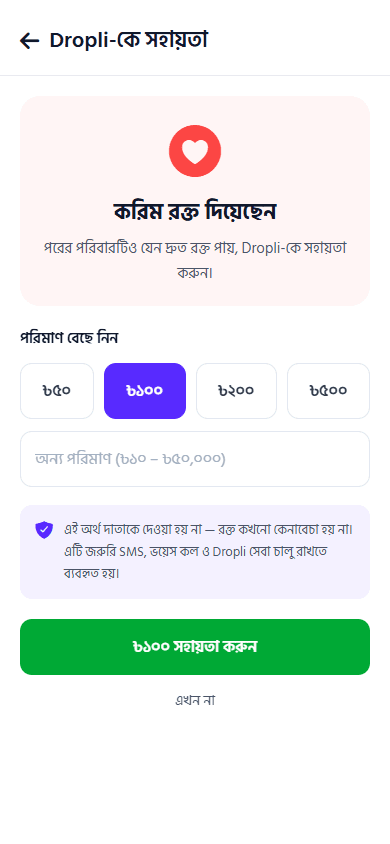
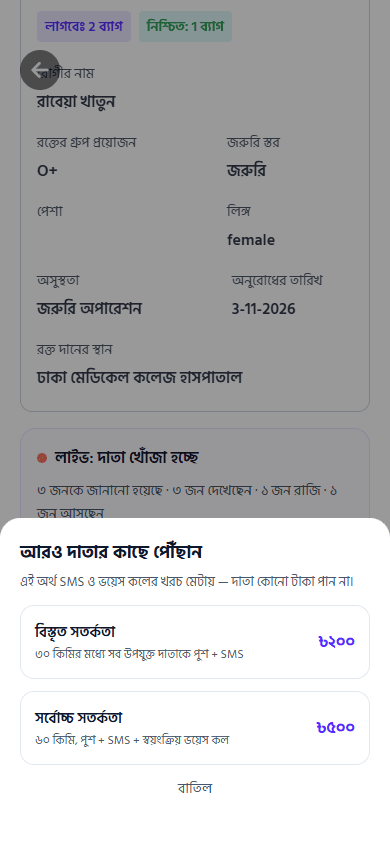
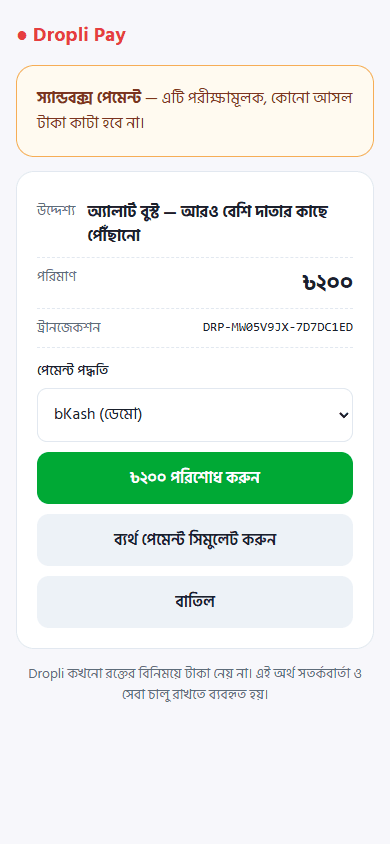
There is nothing to buy. The only payments are optional: a boost that pays for SMS and calls, and support for running the service.
How it's paid for
The phone bill is the real cost
Push notifications are cheap. SMS and automated voice calls are not, and they're what reach a donor who isn't looking at their phone. Two things pay for them.
The long view
Strangers have given blood to strangers for a long time
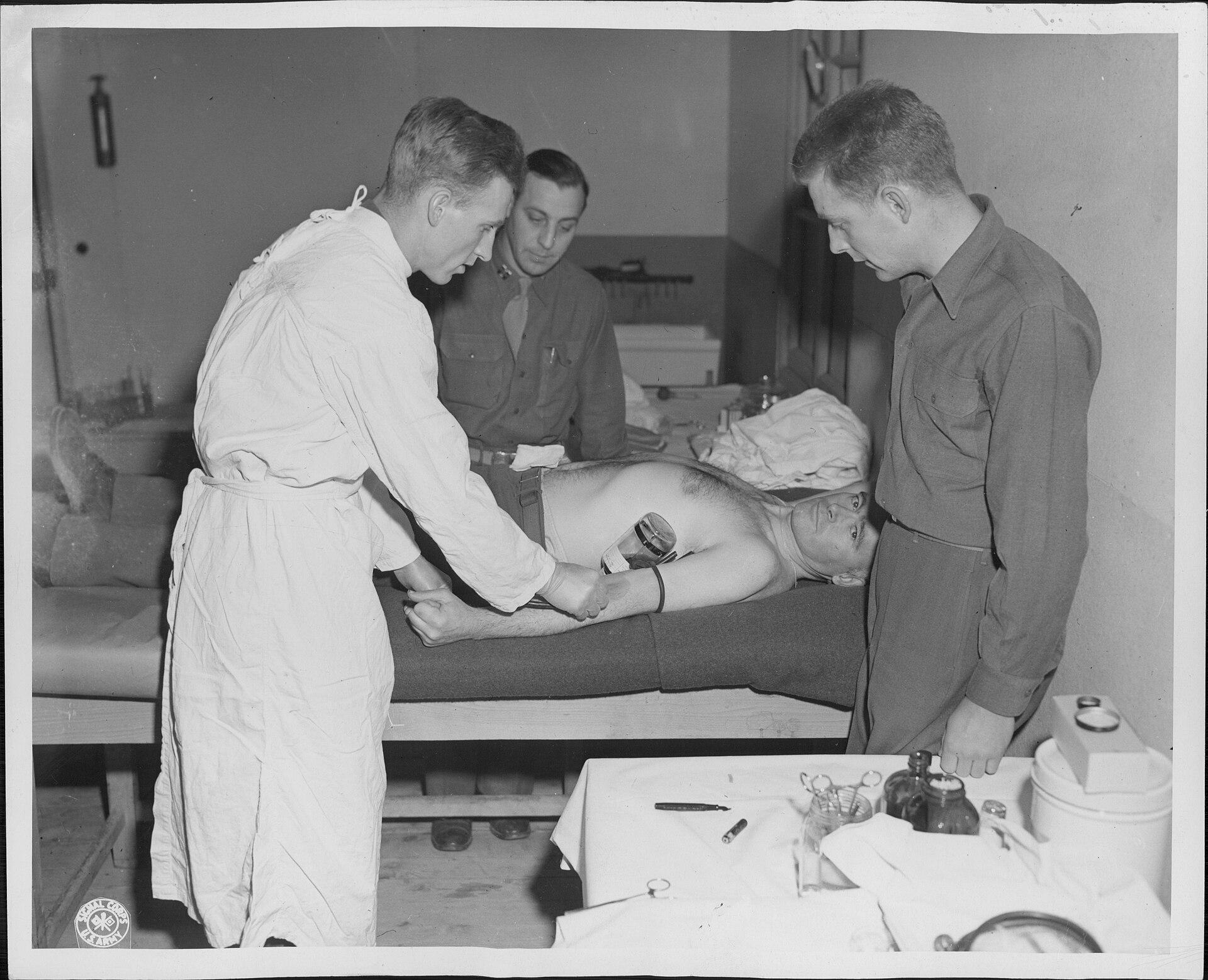
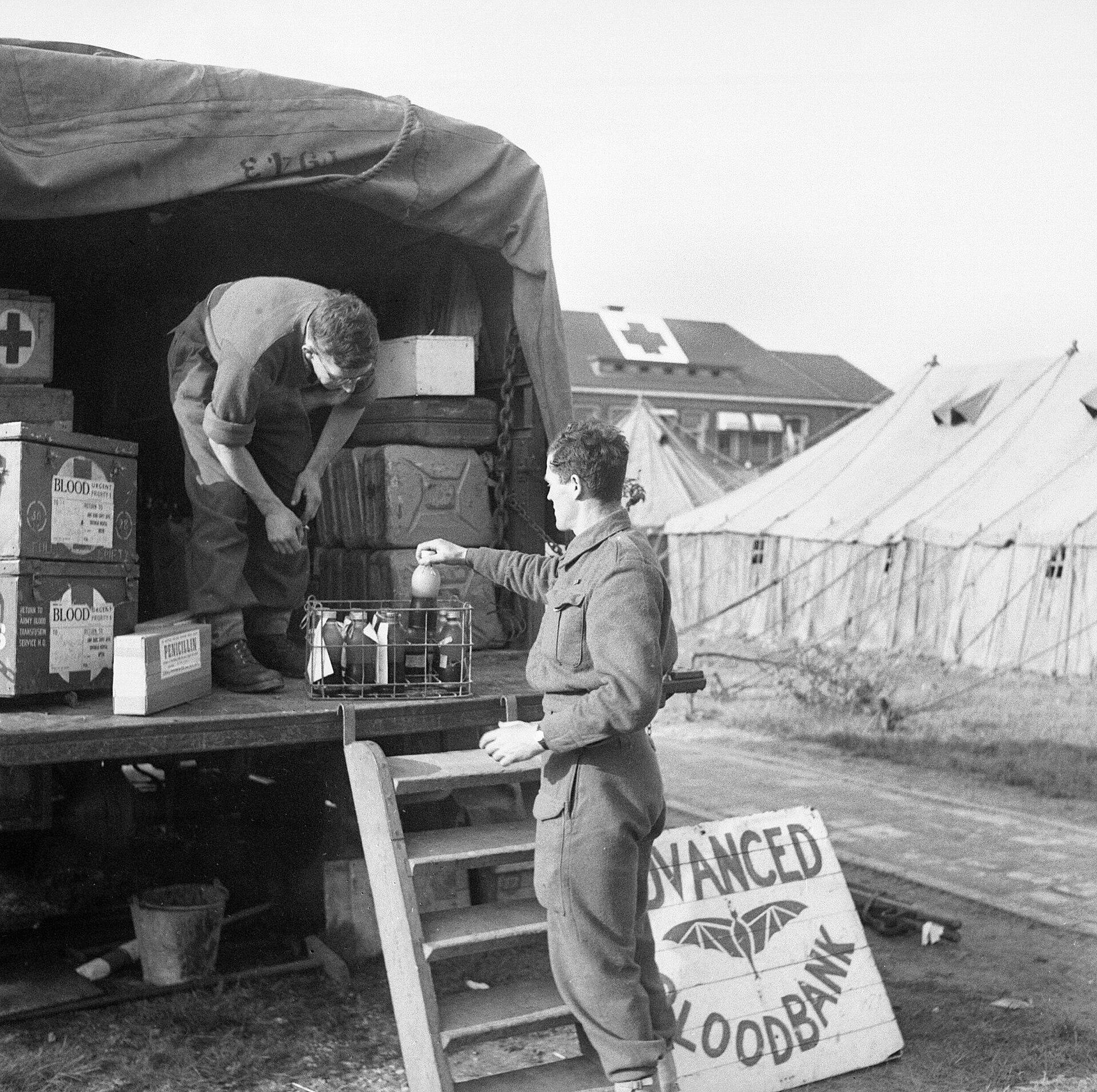
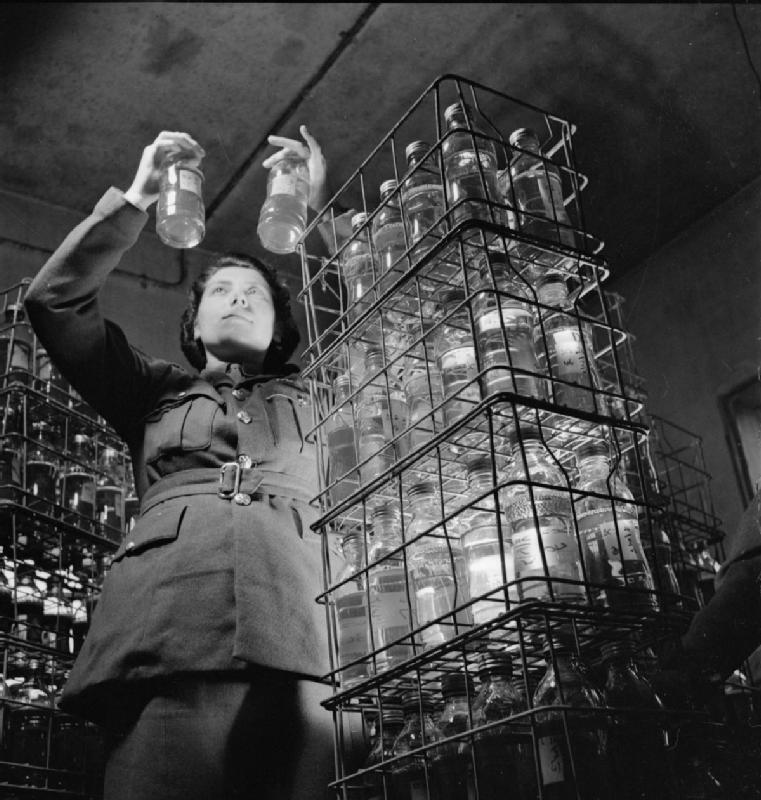
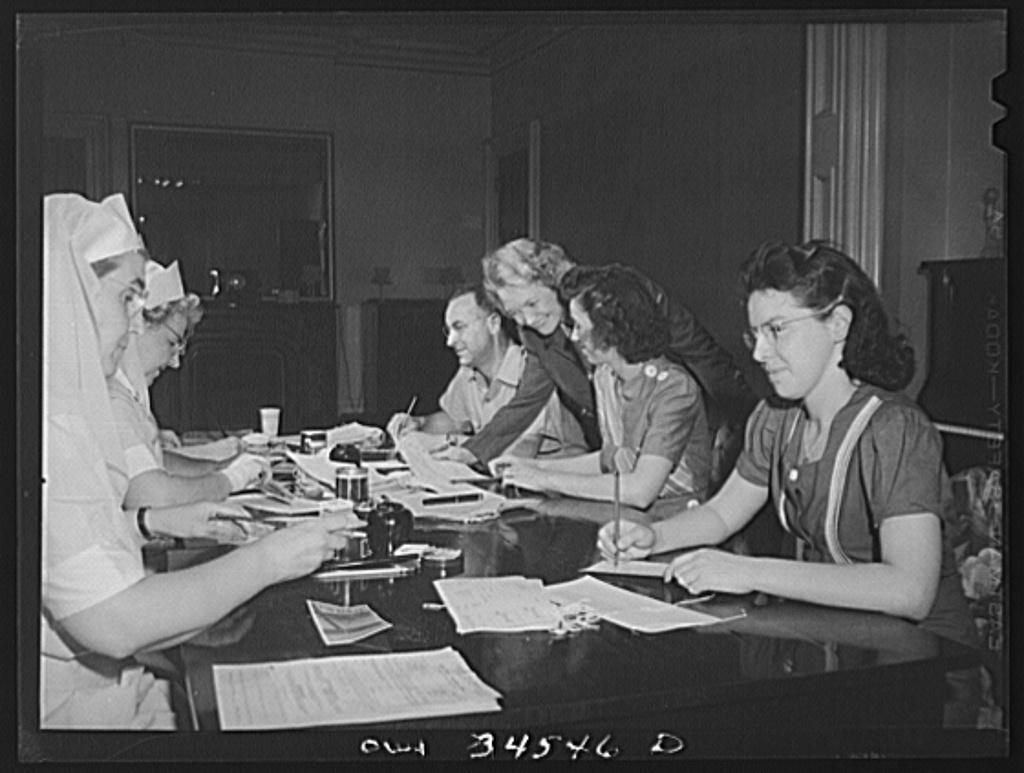
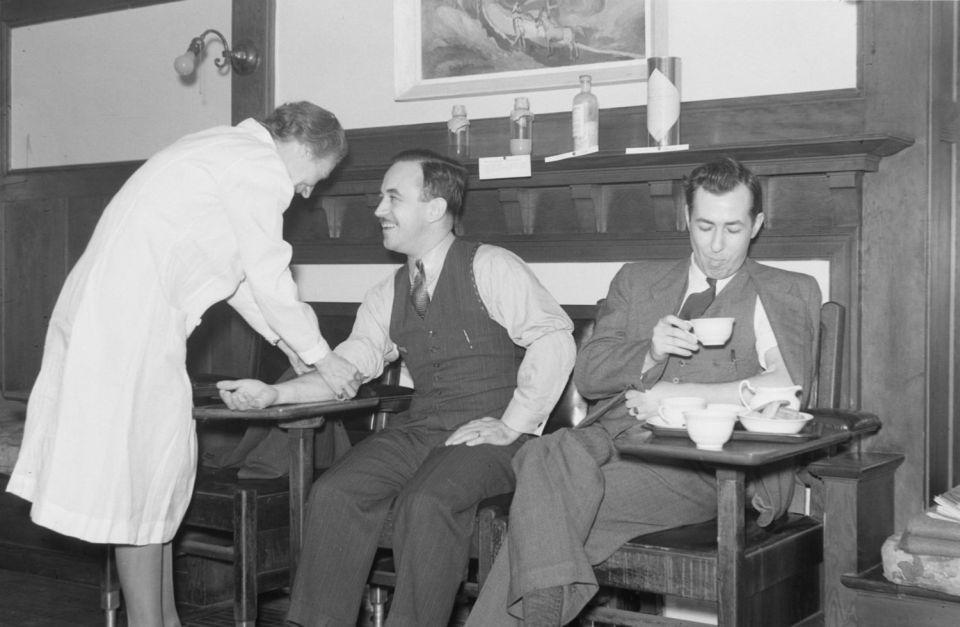
We use archive photos on purpose. Giving blood looked like this eighty years ago and looks much the same today. What's new is the phone in the donor's pocket.
Contact
Write to us
We read everything. If it's about a live request, use the app instead: it reaches donors much faster than we can.
hello@dropli.app
General questions, feedback, press, and anything that doesn't fit below.
Hospitals and blood banks
Ask for console access. Tell us the institution's name and a contact person.
Report someone
Asked for money, or something felt wrong? Report them from the chat first, then write to us with what happened.
Credits
Photos and film on this site
Every photo and clip is a real photograph or film. Archive material is in the public domain. Contemporary photos are used under the Unsplash License, and the people in them are not Dropli users.
- Soldiers give blood at Fort Snelling, 1944US Army Signal Corps · Hennepin County LibraryPublic domain
- The 500th volunteer donor, 36th General Hospital, 1945US Army Signal Corps · Hennepin County LibraryPublic domain
- Supplies leave an advanced blood bank, Holland, 1944Sgt Carpenter, No 5 Army Film & Photographic Unit · IWM B 10550Public domain
- Blood donor clinic, Oswego, New York, 1943Marjory Collins, US Office of War Information · Library of CongressPublic domain
- Checking a bottle of plasma, Britain, 1943Lt Spender, War Office · IWM H 29535Public domain
- Resting after giving blood, Montreal, 1941Conrad Poirier · BAnQ P48,S1,P7076Public domain
- An eight-gallon blood donor, 1974John Marton, NASA Lewis Research Center · US National ArchivesPublic domain
- Blood Bank Story, Tokyo, Japan (film), 1950US Army Signal Corps · National Archives 22413Public domain
- A donor gives a pint at a blood driveLuAnn HuntUnsplash License
- A donated unit of blood, IndiaAman ChaturvediUnsplash License
- A rickshaw puller rests, DhakaKabiur Rahman RiyadUnsplash License
- Rush hour in DhakaNiloy BiswasUnsplash License
- A phone in hand, DhakaFahim MuntashirUnsplash License
- Checking his phone at night, BangladeshTarikul RaanaUnsplash License
- App and console screenshotsDropli. Names and numbers in them are test data.Dropli
Is Dropli free?
Yes. Requesting blood, donating, teams, camps and the hospital console are free. The alert boost (৳200 or ৳500) and support after a donation are optional.
Does any money go to donors?
No. Boost and support payments pay for SMS, voice calls and running the service. Donors give voluntarily and are never paid.
Which payment methods can I use?
Payments go through SSLCommerz, which supports bKash and other common methods in Bangladesh. Dropli never stores your card or wallet details.
Is Dropli a blood bank?
No. We connect people who need blood with donors nearby. Blood is collected and tested by hospitals, blood banks and camps.
Get the app
Be on the list before you're needed
Sign up with your blood group and area. Dropli stays quiet until a patient near you needs your group.